Included at no extra cost
Add-on Therapies
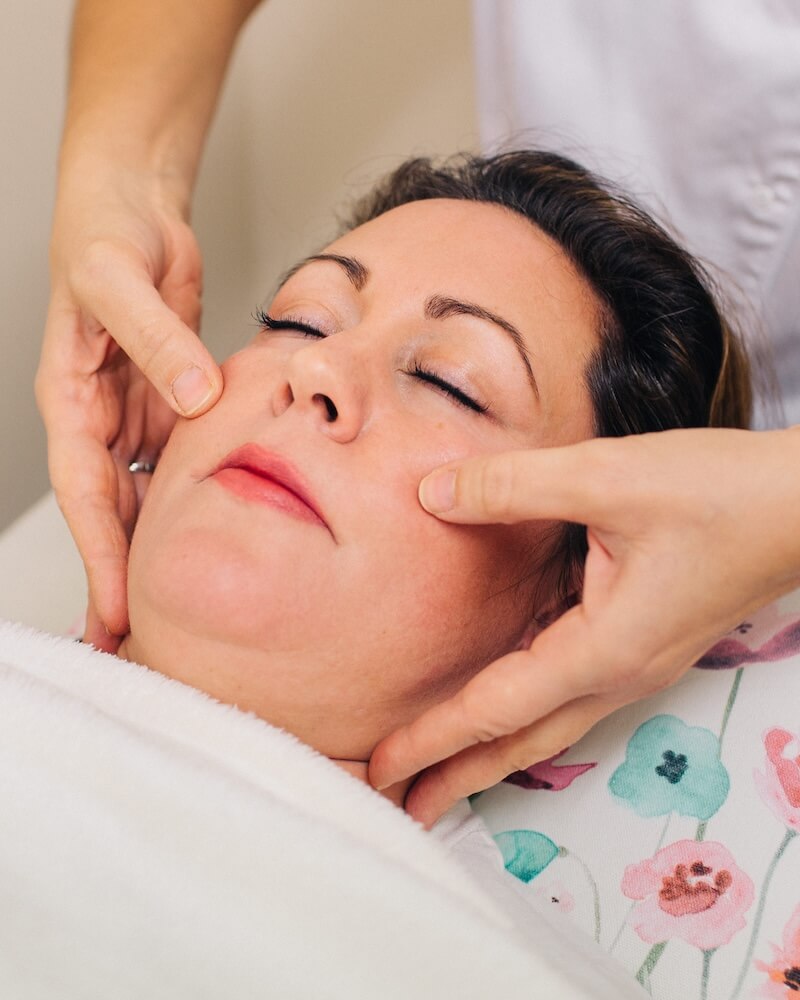
A range of additional techniques I may incorporate into your session where appropriate – cupping, tuning forks, Thai wooden sticks, Kinesio taping, and facial Reflexology.
How add-ons work
When you book a session, you’re booking a core therapy – Reflexology, Indian Head Massage, or Jikiden Reiki. Within that session, I may draw on additional techniques where they suit what you’ve come for and what your body seems to need on the day.
There’s no menu to choose from in advance. The add-ons are part of how I practise, not a separate product. I’ll talk through the options with you at the start of your session and ask what you’d like.
Add-ons are included at no extra time or cost. Your session stays the length you booked, at the same price, regardless of which techniques are used.
The one exception is Jikiden Reiki, which I keep in its traditional form without add-ons. That’s deliberate and follows the lineage of the practice.
What pairs with what
Which add-ons are available depends on which core therapy you’ve booked.
| Add-on | Reflexology | Indian Head Massage | Jikiden Reiki |
|---|---|---|---|
| Cupping | ✓ | ✓ | — |
| Tuning forks | ✓ | ✓ | — |
| Thai wooden sticks | ✓ | — | — |
| Kinesio taping | — | ✓ | — |
| Facial Reflexology | — | ✓ | — |
Cupping
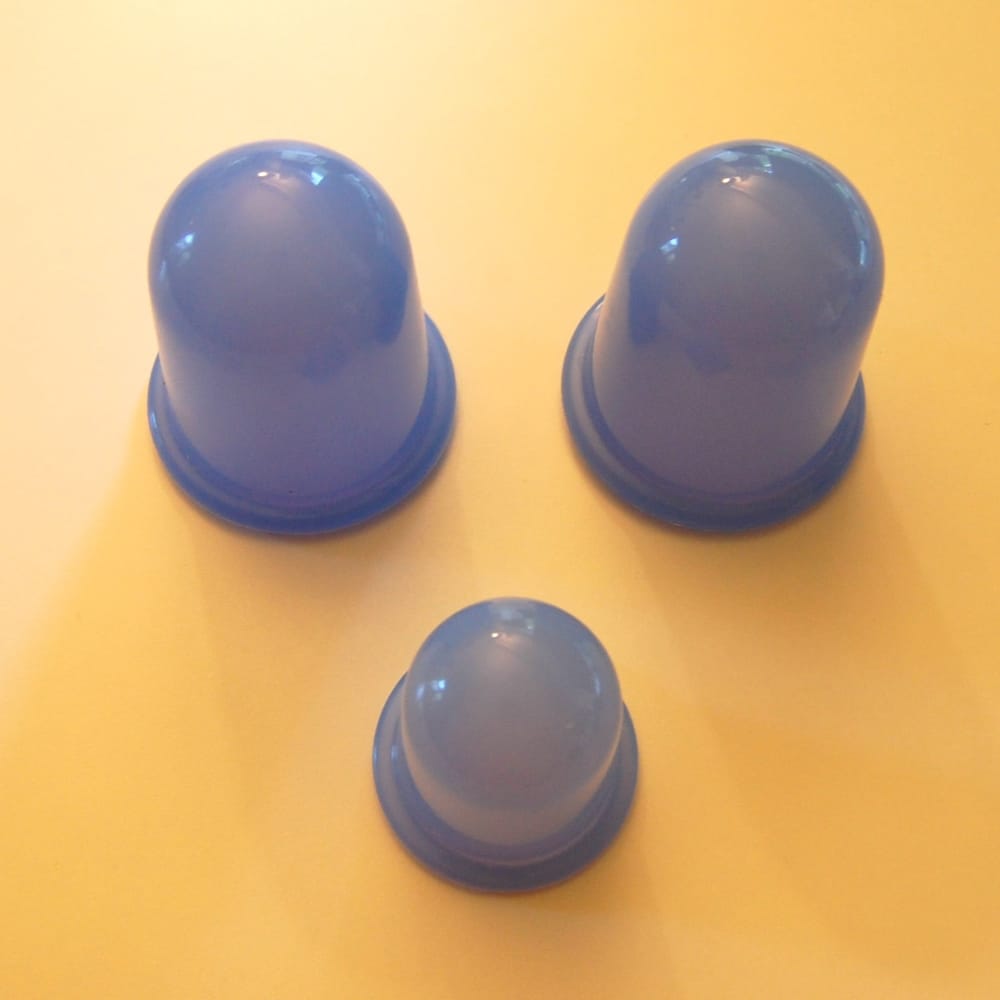
Cupping uses suction to gently lift the skin and underlying tissues. It’s an ancient technique – you’ll find versions of it in traditional Chinese medicine, in Middle Eastern practice, and in various other cultures – and the modern therapeutic version is well-established in bodywork.
I may include cupping during Reflexology (on the calves or ankles) or during Indian Head Massage (on the shoulders and upper back), particularly where there’s noticeable tension or restriction.
What to know about cupping
Cupping creates temporary marks on the skin that can look like round bruises. These are normal, usually painless, and typically fade within a few days to a week. Cupping isn’t suitable for everyone – please let me know during our initial conversation if you are pregnant, taking blood-thinning medication, or have any skin conditions, and we can decide together whether it’s right for you.
Qualification: Practitioner’s Diploma in Myofascial Cupping, May 2025.
Tuning Forks
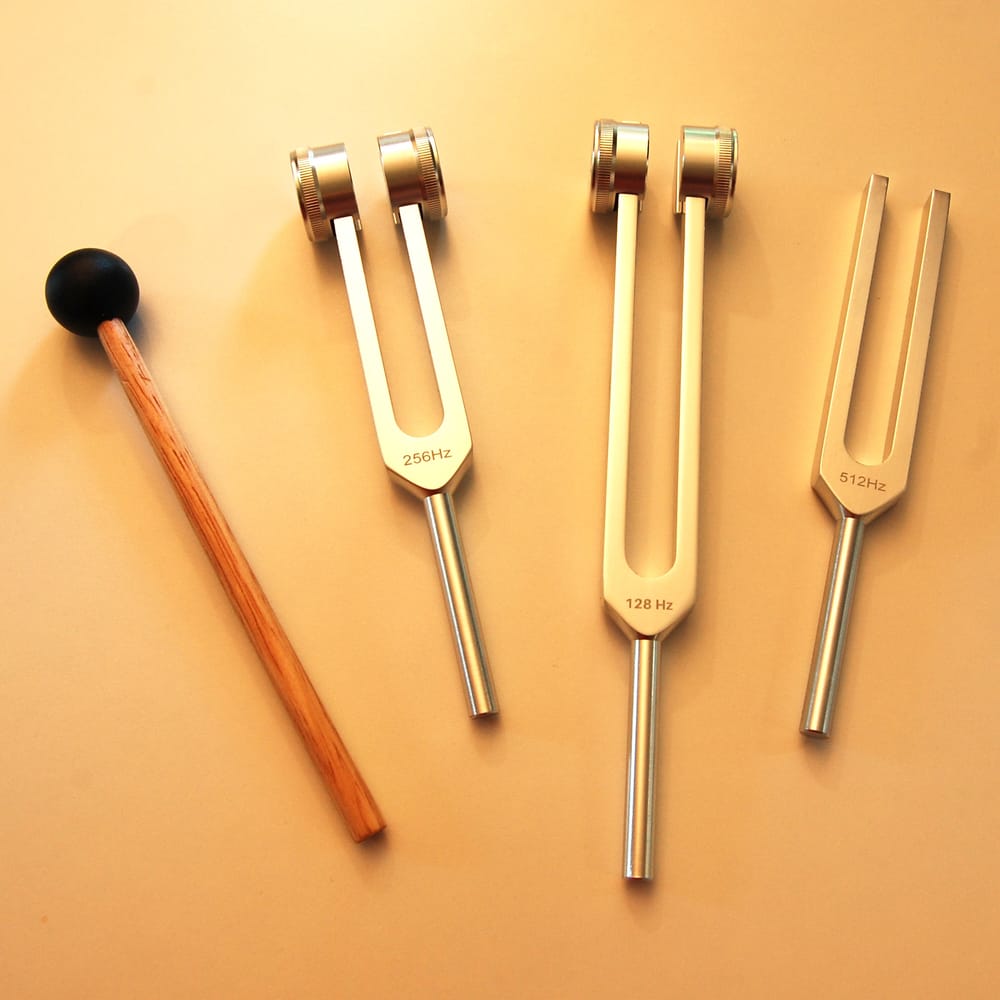
I use tuning forks, held close to the body or gently applied to specific points, as a vibrational element alongside the core therapy. Most clients find it subtle and quieting – a gentle layer on top of the treatment rather than anything dramatic.
I might use tuning forks during Reflexology at the end of the session, or during Indian Head Massage on the shoulders or face.
Qualification: Practitioner’s Diploma in Sound Therapy, January 2026.
Thai Wooden Sticks
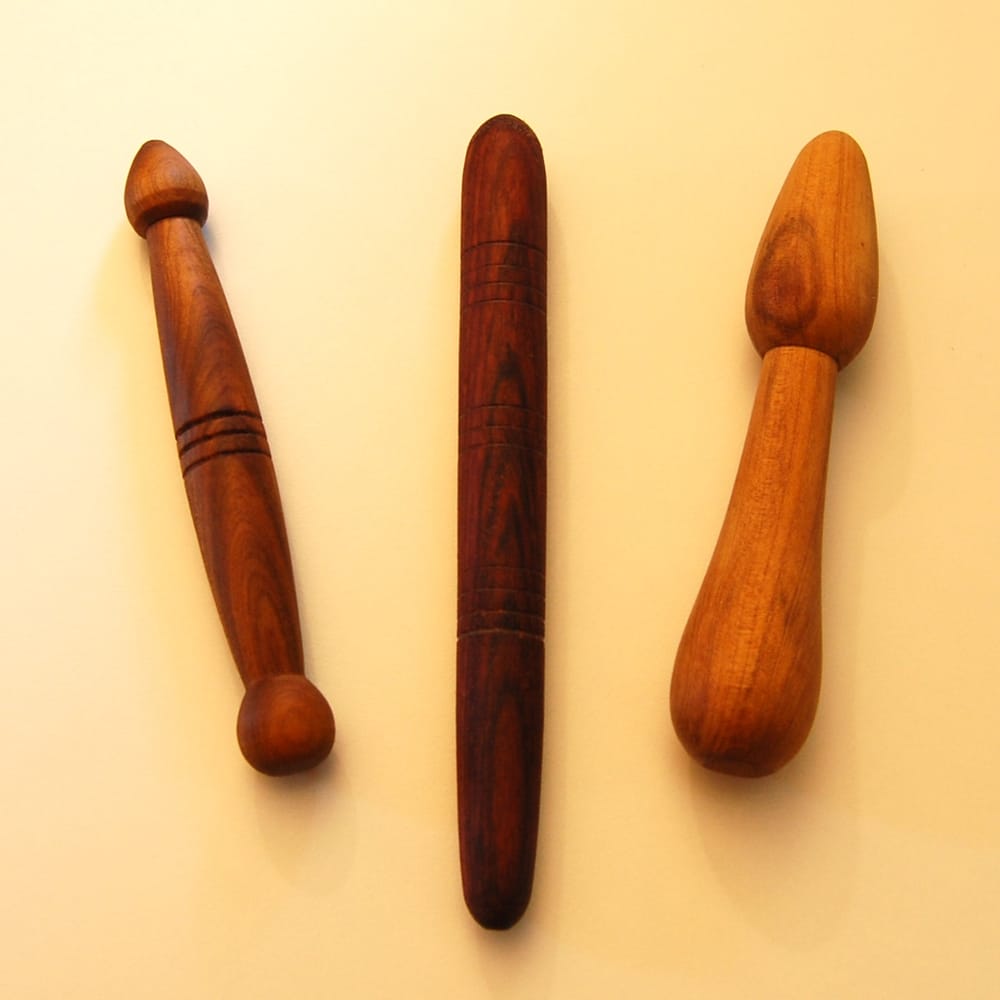
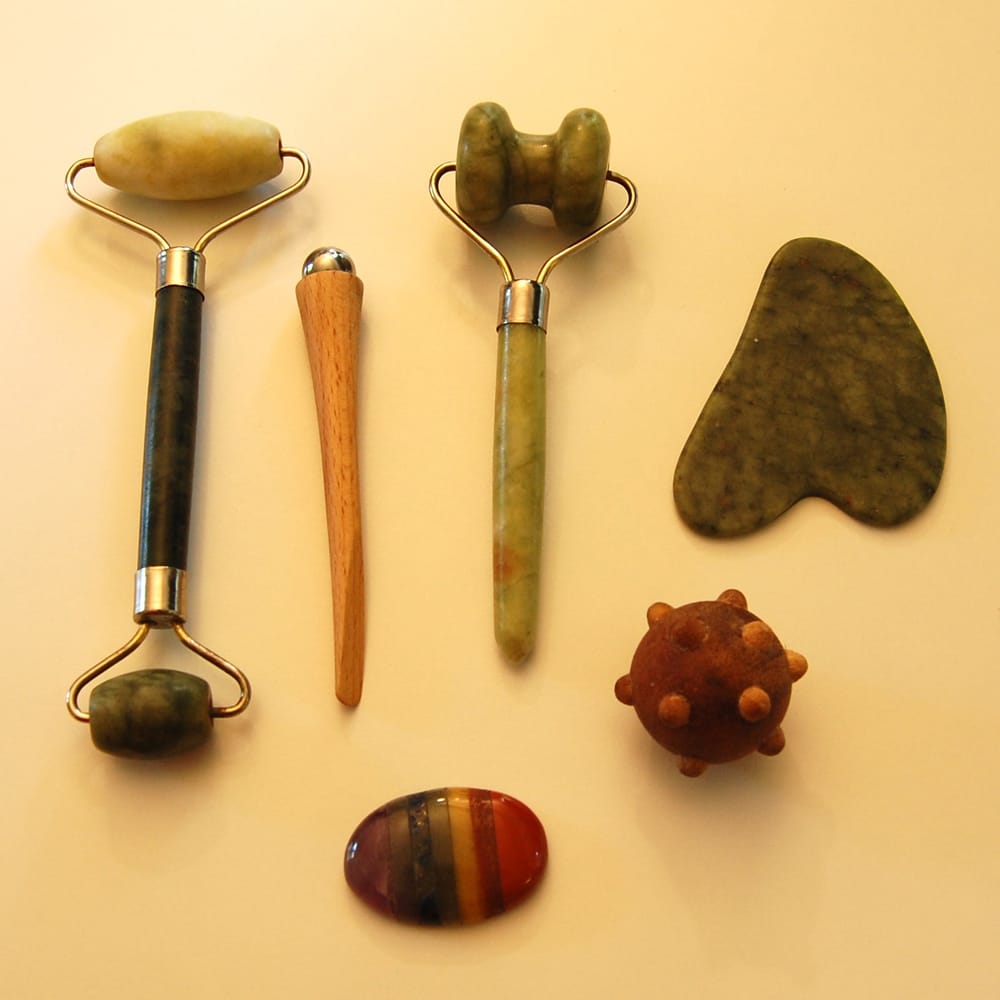
Thai wooden sticks – sometimes called “wooden thumbs” – are small, smooth wooden tools used in traditional Thai Reflexology to apply precise pressure to the feet. They let me work specific points more deeply without the pressure becoming uncomfortable.
I use them during Reflexology sessions, particularly where a client comes in with stubborn tension in specific reflex points.
Kinesio Taping
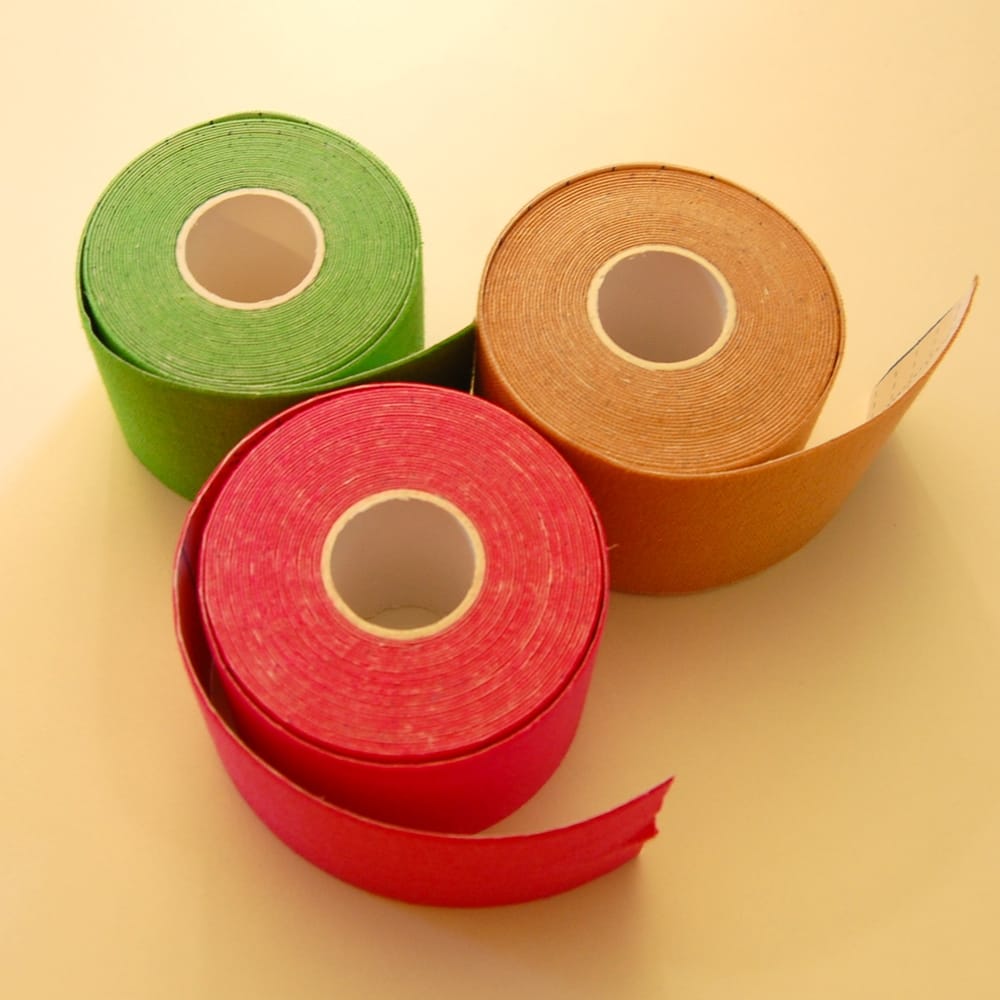
Where it can complement one of my therapies, and with your approval, I may apply Kinesio tape which is the coloured, flexible tape you sometimes see on athletes. It’s designed to support muscles and joints while still allowing full movement.
Kinesio tape is generally well tolerated, but some people experience mild skin irritation, redness, or itching under the tape – particularly with longer wear. The tape isn’t suitable if you have sensitive or fragile skin, active skin conditions on the area being taped (such as eczema, psoriasis, open wounds, or sunburn), or a known allergy to adhesives.
Please let me know during our initial conversation if any of these apply and we can decide together whether taping is right for you.
Qualification: VTCT Level 4 Certificate in Sports Massage Therapy, 2021.
Facial Reflexology
Facial Reflexology applies the Reflexology principle to the face rather than the feet. Like foot Reflexology, it works on specific points that correspond to areas of the body – but the experience is different. Clients often find it particularly relaxing around the jaw, temples, and forehead.
I may incorporate facial Reflexology during the face portion of an Indian Head Massage. It’s a natural fit and tends to deepen the relaxation of the overall session.
Qualification: Trained in facial Reflexology with Ziggie Bergman at the London School of Reflexology, 2022.
Ready to arrange a session?
Book a core therapy and we’ll talk through which add-ons, if any, might suit you on the day.
Get in touch